Cisterns and Septic Systems for Rural Properties
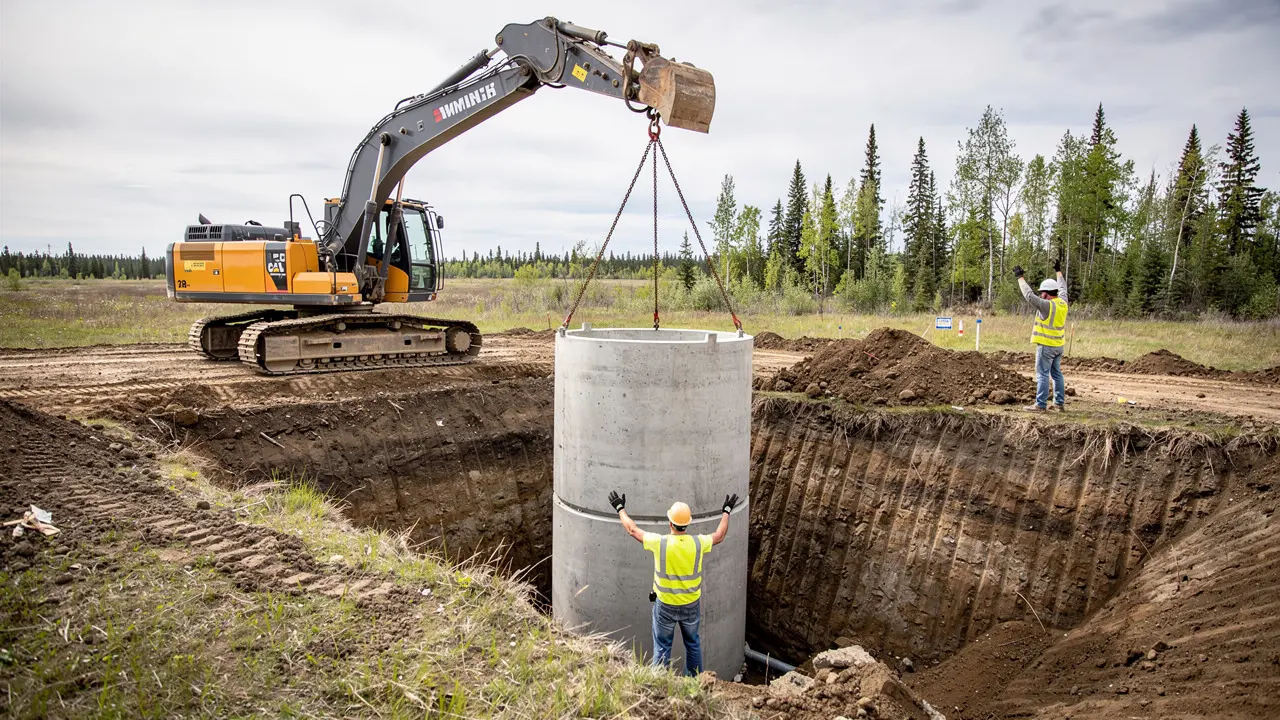
Water and Sewage on Rural Properties
If you're building or buying on acreage in the Peace Region, chances are you won't have municipal water or sewer. That means you need two things: a cistern for your water supply and a septic system for your wastewater. Both are straightforward when they're done right, and both cause headaches when they're not.
This guide covers what you need to know about cisterns and septic systems in northern BC, from sizing and installation to maintenance and winterizing.
Cistern Sizing and Placement
A cistern is a storage tank that holds your household water supply. Water is delivered by truck and pumped into the cistern, then a pressure system feeds it into your home just like a well would.
Common cistern sizes for residential properties:
- 1,000 gallons: Suitable for a single person or couple with low water use
- 1,500 gallons: Common for smaller homes and modular home setups
- 2,500 gallons: Standard for most families. Gives you roughly two to three weeks between fills depending on usage
- 5,000+ gallons: Larger homes, hobby farms, or properties where you want fewer delivery visits
Cisterns are typically buried underground to protect them from freezing. Placement needs to account for truck access (the delivery truck needs to reach the fill pipe), setback distances from your septic system, and the depth of your water line running to the house. In our climate, water lines need to be buried below the frost line or heat-traced to prevent freezing.
Cistern Cleaning and Maintenance
Cisterns need regular cleaning to keep your water safe and your system running well. Sediment, mineral buildup, and bacteria can accumulate over time, especially if the cistern is older or wasn't properly sealed.
We recommend:
- Annual inspection: Check the cistern lid, fill pipe, vent, and overflow for damage or debris
- Cleaning every 2 to 3 years: The tank should be pumped out, scrubbed, and sanitized. Our cistern and septic services crew handles this with the right equipment and knows what to look for
- Filter maintenance: Replace or clean inline filters on schedule. A clogged filter drops your water pressure and puts extra strain on the pump
- Water testing: Test your water annually for bacteria, especially after cleaning or any work on the system
Types of Septic Systems
A septic system handles all the wastewater from your home. The type you need depends on your soil conditions, lot size, and local regulations.
Conventional septic systems are the most common. Wastewater flows from your home into a septic tank where solids settle out. The liquid effluent then moves to a drain field (also called a leach field) where it filters through the soil. These work well on properties with suitable soil and enough space for the drain field.
Mound systems are used when the natural soil isn't suitable for a conventional drain field. This might be because of high water table, shallow bedrock, or poor soil permeability. A mound system builds up an engineered sand bed above the natural grade, and the effluent is pumped up into it. They cost more to install but solve a lot of problem sites.
Holding tanks are used in situations where no drain field is possible. All wastewater is stored and pumped out periodically by a truck. These are less common for full-time residences because of the ongoing pumping costs, but they're sometimes the only option on very small or challenging lots.
What's Involved in Installation
Installing a cistern and septic system is usually part of your overall site preparation. Here's the general process:
- Soil testing: A percolation test determines how well your soil absorbs water, which dictates the type and size of septic system you need
- Permits: Northern Health issues septic permits in the Peace Region. You'll need an approved design before any work starts
- Excavation: Our heavy equipment digs the cistern pit, septic tank hole, and drain field trenches
- Tank installation: Cistern and septic tanks are set in place, leveled, and backfilled
- Drain field construction: Piping, gravel beds, and distribution systems are built to the engineered design
- Connections: Water lines and sewer lines are run to the house and connected to the plumbing
- Inspection: The health authority inspects before backfilling is completed
If you're setting up a custom home on a rural lot, we coordinate the cistern and septic work alongside your foundation and building to keep the project on schedule.
Winterizing for Northern Climates
Our winters are hard on buried systems. Proper installation prevents most cold weather problems, but here's what matters:
- Burial depth: Tanks and pipes need to be below the frost line or insulated and heat-traced. In the Peace Region, that means 6 feet or deeper for uninsulated lines
- Insulation: Rigid foam insulation over tanks and shallow pipe runs helps prevent freezing. This is especially important on new installs where the soil hasn't fully settled
- Heat trace cable: Electric heat trace on water lines between the cistern and house is standard practice up here. If the power goes out for an extended period, this is where problems start
- Septic drain field: Don't compact the soil over your drain field with vehicles or heavy snow clearing. The air space in the soil provides insulation. A layer of straw or mulch before freeze-up adds extra protection
Permits and Regulations
Septic systems in BC are regulated by Northern Health (in our region) under the Sewerage System Regulation. You'll need:
- A site assessment by an authorized person (registered onsite wastewater practitioner)
- An approved system design that matches your soil conditions and expected water use
- A filing with Northern Health before construction begins
- A final inspection and letter of certification when the system is complete
Cisterns are generally covered under your building permit. Your general contractor can coordinate all the permits and inspections so you don't have to chase paperwork.
Frequently Asked Questions
How often does a septic tank need to be pumped?
Every 3 to 5 years for most households. Larger families or smaller tanks may need pumping more often. Regular pumping prevents solids from reaching the drain field, which is the most expensive part of the system to repair.
How much does a cistern and septic system cost?
Costs vary depending on system type, site conditions, and tank sizes. A basic cistern and conventional septic system typically runs between $15,000 and $30,000 installed. Mound systems cost more. Call us for a site-specific estimate.
Can I install a cistern and septic system in winter?
It's possible but more difficult and expensive. Frozen ground requires more excavation effort, and concrete tanks need protection from freezing during installation. We recommend scheduling this work for spring through fall when conditions are more favorable.
What size septic tank do I need?
Tank size is based on the number of bedrooms in your home and your expected daily water use. A typical 3-bedroom home needs a 1,000 to 1,500 gallon septic tank. Your authorized practitioner will specify the right size based on your design.
How do I know if my septic system is failing?
Warning signs include slow drains, sewage odour in the yard, soggy ground over the drain field, or lush green grass in one area during dry weather. If you notice any of these, call for an inspection before the problem gets worse.